
Know when to stay away from our triggers, and when to take the bullet away from the gun
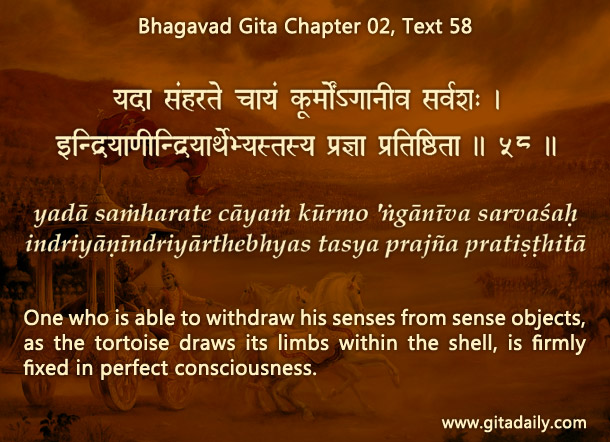
We all have triggers that evoke strong, uncontrollable, or destructive emotions within us. When such emotions arise, we may end up doing things we later deeply regret. To prevent such reactions, it’s wise to identify our triggers and stay away from them. The Bhagavad Gita (2.58) likens this approach to a tortoise withdrawing its limbs to protect itself—a metaphor pointing to the intelligent strategy of retreat when necessary.
However, avoiding triggers is not a permanent solution. In today’s world, with the increasing commercialization and weaponization of sensuality, triggers seem to multiply and become more aggressive. As such, it’s impractical to constantly avoid them forever. Eventually, we need to graduate to the next stage of self-mastery: taking the bullet away from the gun, so the trigger loses its power to harm us.
This means addressing the impressions within our minds that serve as “bullets.” External stimuli (triggers) gain their power because they activate internal impurities or vulnerabilities. Purification involves removing these inner “bullets” by forming healthier and holier impressions in the mind. This is the essence of both regulation and transformation.
By repeatedly focusing on purposeful and constructive activities, we can overwrite our past impressions with new, positive ones. Over time, these new impressions diminish the influence of our triggers. The most potent way to create such impressions is by connecting with the all-pure and all-powerful divinity, Krishna. Devotional practices such as remembering Krishna, chanting his names, and serving him help to cleanse the mind of impurities and replace them with divine impressions.
This process enables us to gradually transcend the grip of our triggers, moving from a state of vulnerability to one of inner peace and strength.
Summary:
- Triggers evoke strong, destructive emotions, leading us to actions we may regret. Avoiding them is a necessary initial strategy to protect ourselves.
- However, in a world filled with increasing and aggressive triggers, we need to go further by removing the internal impressions that give triggers their power over us.
- By engaging in meaningful activities, especially devotional practices centered on Krishna, we can overwrite past impressions with purer ones, reducing the influence of triggers and achieving greater inner peace.
Think it over:
- Identify three triggers that you are vulnerable to and plan boundaries to avoid them.
- List three mental impressions that you need to overwrite and plan how to replace them with constructive alternatives.
- Reflect on how Bhakti, through its practices and principles, can help you most effectively address your inner impressions and rise above your triggers.
***
02.58 One who is able to withdraw his senses from sense objects, as the tortoise draws its limbs within the shell, is firmly fixed in perfect consciousness.
Remember KRISHNA and he will tighten emotional triggers