
Whatever feels important and seems permanent today will eventually become little more than a memory. Experience it fully while it endures, so that it becomes an enriching memory, not an impoverishing one.
One of the great ironies of life is that everything we hold on to in the outer world will eventually slip away. What provides us solidity and stability today may leave us feeling empty and unsure tomorrow. This reality can feel not just ironic but even tragic when it confronts us, stirring fears about the impermanence and seeming futility of our pursuits.
When faced with this truth, people often gravitate to two extremes. The first is denial, pretending that things will remain as they are and refusing to acknowledge their transience. This illusion can lead to heartbreak when reality inevitably intrudes. The second extreme is despair, a resignation that nothing is worth pursuing since everything is ultimately temporary. This attitude can drain life of meaning and joy.
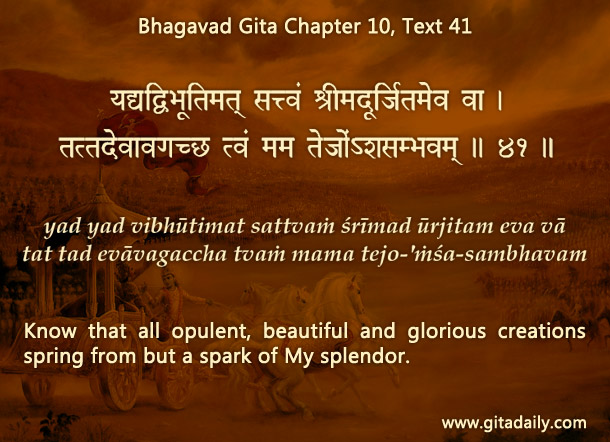
The healthier middle path is recognizing that the value of things lies in their ability to point toward something enduring: the supreme significance of the Divine. The Bhagavad Gita (10.41) encourages us to see the extraordinary qualities of anything in this world as a spark of divine glory. With this vision, we can treasure the significant things in our life as reminders of the eternal.
This perspective allows us to embrace life fully and experience its richness, treating the fleeting as blessings that draw us closer to the eternal. By living this way, our memories of these experiences become not just pleasant recollections but also profound reminders of our connection with the Divine.
When we lose these things of significance, the memories they leave behind won’t impoverish us but will enrich us, reminding us of how they brought us closer to the one who forever lasts. Whether it’s the love of a fellow human, the beauty of a sunset, or the joy of creating something meaningful, all these can become parts of a life fully lived. They are opportunities to cultivate enriching memories that shelter us even when the external world becomes empty.
By linking our present joys with the eternal, we can live a life that remains internally full, regardless of external losses.
Summary:
- When faced with the fleeting nature of significant things, we may deny their impermanence or sink into despair, rejecting everything as meaningless.
- The middle path is to value these things as pointers to the Divine, experiencing them fully as blessings and creating enriching memories that stay with us even when the things themselves are gone.
- By linking the temporary with the eternal, we can live a rich and fulfilling life that remains internally full even when the external world changes.
Think it over:
- Recollect a situation where you reacted with denial about the temporariness of significant things and how it led to greater pain in the future.
- Recall an instance where someone rejected all significance as deception and fell into despair. How did that affect their outlook on life?
- Contemplate how you can connect the significant things in your life with the supreme being of enduring significance, thereby cultivating enriching memories.
***
10.41 Know that all opulent, beautiful and glorious creations spring from but a spark of My splendor.
MIND always wobbles